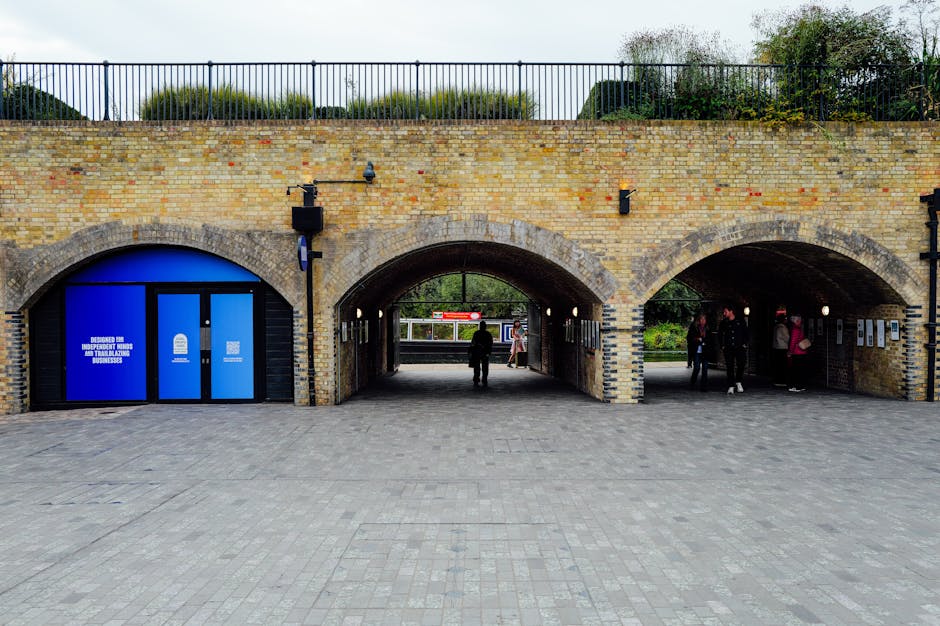
Archway removals guide for Archway Road and Junction Road
If you are planning a move around Archway Road or Junction Road, you already know this part of north London can be a bit of a juggling act. Buses, parked cars, tight timings, school runs, delivery vans, and the usual London rush all make removals feel more complicated than they look on paper. This Archway removals guide for Archway Road and Junction Road is here to make the whole process feel more manageable, whether you are moving a flat, a family home, or a small business unit nearby.
In practice, the best removals in this area are the ones that are planned carefully, communicated clearly, and adapted to the street rather than forced onto it. That means thinking about access, lift use, packing order, parking, timing, and how long loading might really take once you are standing outside with a trolley and a narrow staircase. A little local awareness goes a long way. Truth be told, it saves a lot of stress too.
This guide walks through why the area matters, how the process works, what to watch for, and how to prepare properly so moving day does not become one of those long, blurry, slightly regrettable life experiences.
Contents
- Why Archway removals guide for Archway Road and Junction Road Matters
- How Archway removals guide for Archway Road and Junction Road Works
- Key Benefits and Practical Advantages
- Who This Is For and When It Makes Sense
- Step-by-Step Guidance
- Expert Tips for Better Results
- Common Mistakes to Avoid
- Tools, Resources and Recommendations
- Law, Compliance, Standards, or Best Practice
- Options, Methods, or Comparison Table
- Case Study or Real-World Example
- Practical Checklist
- Conclusion
- Frequently Asked Questions
Why Archway removals guide for Archway Road and Junction Road Matters
Moves in Archway are not difficult because people in the area are unusual. They are difficult because the streets ask for a bit of planning. Archway Road and Junction Road sit in a busy part of north London where traffic can change quickly, loading space is often limited, and timing matters more than many people expect. If you have ever tried to move a wardrobe past a parked car while a bus pulls in behind you, you will know the feeling.
A good local removals plan matters for a few simple reasons. First, it helps protect your furniture and walls from avoidable bumps. Second, it reduces delays that cost time and money. Third, it makes the day less chaotic for everyone involved, including neighbours and building managers. And fourth, it keeps the move moving. That sounds obvious, but once boxes are stacked by the door and the kettle has vanished into a labelled mystery box, obvious things become precious.
The area also has a mix of property types. You may be moving from a Victorian terrace, a mansion block, a newer apartment, or a shopfront with storage upstairs. Each one has its own quirks. A narrow stairwell needs different planning from a lift-only building. A second-floor flat above Junction Road needs different handling from a house with a front garden on Archway Road. Local knowledge helps match the right vehicle, team size, packing method, and arrival window to the actual property, not just the postcode.
There is also the simple fact that removals are stressful enough already. A calm, ordered move does not happen by accident. It is usually the result of one person asking the practical questions early: Where will the van stop? Do we need parking help? What time can we access the property? Which items need dismantling? Will the sofa fit through the hallway, or are we going to have to do the awkward swivel dance? Asking these things early is not fussy. It is smart.
Expert summary: On Archway Road and Junction Road, the best removals outcomes come from local planning, clear timing, and realistic access checks. If those three things are handled well, the rest tends to feel much easier.
How Archway removals guide for Archway Road and Junction Road Works
At a practical level, a removals job in this area usually starts with a survey or an exchange of details about the property, inventory, access points, and moving date. That information is used to estimate vehicle size, crew numbers, packing needs, and how long loading and unloading might take. It is a bit like building a route before setting off: if you know the traffic, you are far less likely to be surprised by it.
The process often follows a familiar pattern:
- Initial assessment: You explain what is moving, where from, where to, and any access issues.
- Planning: The removals team works out the right approach for the property, including parking and timing.
- Packing and preparation: Fragile items, furniture, and essentials are packed or separated so they can be loaded safely.
- Loading: Items are carried carefully from the property to the vehicle, often in stages.
- Transport: The move itself, ideally planned around local traffic patterns and realistic timing.
- Unloading and placement: Boxes and furniture are taken into the new home or office and placed where they are needed.
What makes this area slightly different is the need to account for access and timing with more care than you might in a quieter suburban street. If your property sits near busy junctions, bus stops, or tighter side roads, even a few extra minutes can matter. No drama, just the reality of moving in London.
Many moves also benefit from a pre-move walkthrough, even if it is just a quick conversation. A decent walkthrough should cover:
- the number of rooms and floors
- large or awkward furniture
- fragile items and valuables
- stairs, lifts, narrow halls, or shared entrances
- parking limitations
- possible delays from access times or building rules
That detail may sound a bit fussy. It is not. The more the team knows, the less guessing they have to do on the day. And guessing, frankly, is expensive.
Key Benefits and Practical Advantages
There are clear advantages to approaching an Archway move with local planning in mind. Some are obvious; others only become obvious after the day has already gone wrong. Better to learn them before, right?
- Less stress: When the route, timings, and packing are sorted, the day feels less frantic.
- Lower risk of damage: Good lifting, wrapping, and loading methods reduce knocks and scrapes.
- Better time use: If parking and access are planned, crews spend less time waiting around.
- Cleaner handover: In flat moves, a smoother schedule helps with key collection, inventory checks, and lease deadlines.
- More control: You can prioritise essential items, manage the packing order, and keep one box for day-one basics.
There is another benefit that people sometimes overlook: confidence. When you know the move has been thought through, you stop second-guessing every detail. That makes a difference on moving day, especially if you are coordinating children, pets, work calls, or a building manager who needs everything done within a tight window.
In local terms, good planning also helps with community relations. Nobody wants to block a neighbour's driveway or leave a loading bay unusable longer than necessary. A tidy, efficient move is simply nicer for everyone around you.
| Approach | What it does well | Where it can struggle |
|---|---|---|
| DIY van hire | Good for smaller loads and flexible timing | Harder with heavy furniture, parking, and time pressure |
| Full removals service | Best for complex moves, bulky items, and busy schedules | Costs more, and needs clear planning |
| Man and van | Useful for light moves or single-room relocations | May be less suitable for multi-storey homes or large inventories |
For many people, the real advantage is not just convenience. It is avoiding the hidden mess that comes with a rushed move: lost screws, damaged frames, mislabelled boxes, and that one essential charger that disappears exactly when you need it. Classic.
Who This Is For and When It Makes Sense
This guide is useful if you are moving anywhere near Archway Road or Junction Road and want a clearer picture of what a sensible removals plan looks like. It is especially relevant if any of these sound familiar:
- you live in a flat with stairs, a lift, or shared access
- you are moving family furniture and need help with bulky items
- you have a deadline tied to a tenancy, completion, or handover
- you are moving a small office, practice, or studio space
- you need help with packing, dismantling, or protective wrapping
- you are trying to avoid disrupting neighbours or building access
It also makes sense if you are new to the area. Local roads can look simple on a map and still be awkward in real life. A van may need a little more room than expected. A building entrance may be shared. A short road may be busy at precisely the wrong time. These are the sorts of details that become visible only when you are standing outside with a box of crockery and a slightly worried expression.
If you are moving just a few items, a smaller vehicle or partial service may be enough. If you are moving an entire household, a more complete service usually saves time and physical effort. And if you are not sure, ask for an assessment rather than guessing. Guessing tends to be optimistic, and optimism does not move wardrobes.
Step-by-Step Guidance
Here is a straightforward way to handle a move in this part of Archway without making life harder than necessary.
1. Start with the property details
Write down the number of rooms, floors, and any awkward access points. Include things that seem minor, because minor things often become major on the day. A low doorway, a tight corner, or a shared entrance can change the whole approach.
2. Decide what needs moving
Separate the move into categories: furniture, fragile items, clothing, books, kitchenware, electronics, and anything you plan to carry personally. This helps you understand volume and protects important items from being buried under the rest of the load.
3. Book or arrange parking consideration early
In busy London streets, parking can shape the whole move. Think about where the vehicle will stop, how far it will need to carry items, and whether there are restrictions at certain times. A few minutes spent on this now can save a lot of hassle later.
4. Pack in order, not randomly
Pack by room and by priority. Keep essentials separate. If you can, create a clearly labelled box for first-night items: kettle, mugs, toiletries, chargers, medication, a few tools, and basic cleaning supplies. This is one of those tiny decisions that feels enormous at 9 p.m. after moving day.
5. Dismantle and protect large furniture
Take apart beds, tables, and shelving if needed, and keep screws in labelled bags taped to the relevant item. Wrap corners and glass carefully. The aim is to make the items easier to carry and less likely to pick up damage in stairwells or door frames.
6. Load strategically
Heavy items usually go first and lower in the vehicle, with fragile items secured so they do not shift. The order matters. A badly loaded van can turn a straightforward move into a slow, awkward puzzle.
7. Check the destination before unloading
When you arrive, confirm where furniture should go. If the sofa needs to go upstairs first, say so early. If boxes should be grouped by room, make that clear. A minute of direction saves repeated carrying.
8. Do a final sweep
Before leaving, check cupboards, lofts, under beds, and behind doors. People always miss something. Always. Usually the thing they need tomorrow morning.
Expert Tips for Better Results
Some practical habits make a move noticeably easier. These are the little things that experienced teams tend to think about without making a song and dance of it.
- Label beyond the room name: Add a short note such as "kitchen - fragile" or "bedroom - first to open." It makes unloading far more efficient.
- Keep a separate essentials bag: Treat it like a travel bag for your first 24 hours.
- Measure the awkward pieces: Sofas, wardrobes, and beds are the usual troublemakers. Measure before moving day if you can.
- Protect hallways and corners: In narrow properties, small wall guards or blankets can prevent annoying scuffs.
- Plan around weather: Rain changes everything. Wet floors, slippery steps, and soggy boxes are nobody's idea of fun.
One small but useful tip: take photos of cable setups, shelving layouts, or built-in furniture before dismantling. It sounds a bit nerdy, but when you are reassembling everything later, those photos can be a lifesaver. Particularly with that one shelf bracket that seems to belong nowhere and everywhere at once.
Another point worth making is communication. If your move has building rules, restricted hours, or a difficult loading space, say so clearly. Do not assume the removals team can infer it from the address alone. They cannot. Nobody can, really.
Common Mistakes to Avoid
Most removals problems come from a handful of avoidable mistakes. They are common because people are busy, not because they are careless. Still, it helps to know where the traps are.
- Underestimating volume: A small flat can still produce a surprising amount of stuff. Boxes breed in the night, or so it feels.
- Leaving packing too late: Rushed packing increases the risk of breakage and mislabelling.
- Ignoring access issues: Tight turns, stairs, and no-parking zones can add time fast.
- Not preparing essentials: If the kettle, charger, and bedding disappear into the last van load, your first night becomes needlessly awkward.
- Failing to measure furniture: Nothing tests patience like a sofa that will not fit through the hallway.
- Assuming all moves are the same: A top-floor flat move is not the same as a ground-floor house move. Different effort, different timing.
A quieter mistake is not asking enough questions before the move. What time does access begin? Is there a lift? Where can the vehicle stop? Does the building need advance notice? The more you clarify early, the less chance there is of a last-minute scramble. And yes, a last-minute scramble always feels worse than it sounds.
Tools, Resources and Recommendations
You do not need a giant toolkit to move well, but a few practical items make a real difference. Nothing fancy. Just the basics done properly.
- Strong moving boxes: Use the same box size where possible so stacking is easier.
- Packing tape and dispenser: A small time-saver that becomes strangely precious halfway through packing.
- Marker pens and labels: Clear labels help the load-in run smoothly.
- Furniture blankets or wrap: Useful for protecting wood, glass, and painted surfaces.
- Basic tools: Screwdrivers, hex keys, and a small bag for fixings.
- Gloves and sturdy shoes: Better grip, better protection, less slipping on smooth hall floors.
- Measuring tape: Helpful for doors, lifts, corridors, and large furniture.
If you are weighing up service support, it can help to browse relevant local moving information before you commit. For example, you may want to look at man and van London services if your move is relatively small and straightforward, or explore London removals support if you need something more complete. For more specific help with home moves, house removals in London can be a useful starting point when comparing options.
That said, the right setup depends on your actual move, not just the label on a service. A one-bedroom flat with difficult access can be more complex than a larger house with easy parking. Funny how that works.
Law, Compliance, Standards, or Best Practice
Moving home or business premises in London is not usually about heavy regulation, but there are still important practical and legal considerations. You will want to think about parking, access permissions, lease conditions, building rules, and safe lifting practices. If you live in a managed block, there may be booking procedures for lifts or loading bays. If you are moving from a commercial unit, there may be opening hours, landlord requirements, or key return instructions.
Best practice in removals also includes treating items safely, protecting communal areas, and avoiding unnecessary obstruction. In a busy area like Archway, that matters more than people sometimes realise. It is not just about being polite. It helps keep the move efficient and avoids complaints or delays.
For businesses, there may be additional considerations around data, equipment, and continuity. Computers, filing cabinets, and confidential materials should be handled carefully and packed in a way that keeps them secure. A move is a good time to sort, archive, and dispose of unnecessary paperwork properly. Otherwise you end up moving clutter from one place to another, which is a very expensive hobby.
Where lifting and carrying are concerned, sensible manual handling matters. Heavy loads should be shared, and awkward items should be moved with the right equipment rather than brute force. If something feels too risky to carry, it probably is. Best not to be heroic about a wardrobe.
Options, Methods, or Comparison Table
There is no single "best" removals method for every move. The right option depends on volume, access, timing, and how much help you want on the day. Here is a practical comparison.
| Method | Best for | Main strengths | Things to watch |
|---|---|---|---|
| DIY move | Very small moves or tight budgets | Lower immediate cost, full control | Physical effort, time pressure, loading risk |
| Man and van | Single-room moves, small flats, quick local runs | Flexible, often simpler to arrange | May need more help for stairs or bulky furniture |
| Full removals service | House moves, family relocations, complex access | Less stress, better handling, more support | Needs more planning and usually costs more |
| Packing plus removals | Busy households, fragile inventories, tight timelines | Strongest support, better organisation | Requires early scheduling and clear instructions |
If you are unsure, a mixed approach often works well. For example, some people pack clothes and soft items themselves, then ask for help with furniture, appliances, and fragile goods. That gives you control where you want it and support where you need it. Sensible, really.
Case Study or Real-World Example
Take a typical local scenario. A couple moves from a second-floor flat near Junction Road into a small house off Archway Road. They have a sofa, a bed frame, a bookcase, a dining table, around thirty boxes, and a few awkward plants that nobody wants to admit are more fragile than they look.
At first glance, it seems like a standard move. But once the details are checked, the picture changes. The flat has a narrow stairwell, there is limited waiting space outside, and the new property has a tighter hallway than expected. Nothing alarming, just the sort of thing that can slow a move down if nobody thinks ahead.
So they do three things properly. They measure the sofa and the hallway. They split the packing by room and label the first-night essentials. They also arrange the van arrival for a quieter part of the day rather than a peak traffic window. On the day, loading is smoother, the carry distance is shorter than feared, and the move finishes with far less drama than they expected.
What made the difference? Not magic. Planning. A bit of local awareness. And no one pretending the move would "probably be fine" without checking. That phrase, to be fair, has caused more headaches than we care to count.
The lesson is simple: even a modest move can become stressful if access and timing are ignored. But once they are handled properly, the rest of the day tends to unfold in a much calmer way.
Practical Checklist
Use this checklist to keep the move on track. It is not glamorous, but it works.
- Confirm moving date and access times
- Check parking options near both addresses
- Measure large furniture and awkward doorways
- Book lift access or building permission if needed
- Pack essentials separately for the first night
- Label boxes clearly by room and priority
- Protect fragile items with suitable wrap or paper
- Dismantle beds, tables, or shelving if practical
- Keep tools and fixings in a labelled bag
- Take photos of cables and furniture assembly before taking them apart
- Walk through every room before leaving
- Check the new place before unloading the final items
Quick reminder: if you only do three things well, make them access, labelling, and essentials. Those three alone can save a surprising amount of hassle.
Conclusion
A move on Archway Road or Junction Road does not have to feel like a full-scale operation. With the right preparation, it becomes a structured, manageable process rather than a day of guesswork and apologetic phone calls. The core idea is simple: know the property, understand the access, pack with intention, and choose the moving method that fits your real situation.
Whether you are shifting a few items or relocating a whole household, local awareness makes the difference. Archway can be busy, but it is absolutely workable when the move is planned around the street rather than fought against it. And once the boxes are in, the kettle is on, and the new place starts to feel like yours, the effort tends to make sense after all.
If you are getting ready for a move and want a smoother, less stressful experience, take the time now to plan the practical details properly. It is one of those decisions your future self will quietly thank you for.
Get a free quote today and see how much you can save.
Frequently Asked Questions
What does an Archway removals guide for Archway Road and Junction Road actually cover?
It covers the practical side of moving in and around these roads, including access, parking, packing, timing, vehicle choice, and the kinds of property layouts commonly found in the area.
Is a man and van suitable for a move on Archway Road or Junction Road?
It can be, especially for smaller moves or single-room jobs. If you have bulky furniture, multiple floors, or a tight deadline, a fuller removals service may be the safer option.
How far in advance should I plan a move in this area?
As early as you can. Even a simple move benefits from advance planning, particularly if parking, access windows, or building permissions need to be sorted first.
Why is parking such a big issue for removals here?
Because parking space can affect loading time, crew efficiency, and how far items have to be carried. In a busy London area, that can change the whole feel of the day.
What should I pack separately for the first night?
Keep essentials such as toiletries, chargers, a kettle, mugs, basic bedding, medication, and a change of clothes in one clearly labelled box or bag.
Do I need to dismantle furniture before moving?
Not always, but larger items often move more safely and easily when partially dismantled. Beds, shelving, and some tables are the usual candidates.
How do I know whether my sofa will fit through the doorway?
Measure the sofa, doorways, halls, and any turns before the move. If the route looks tight, ask for help rather than hoping it will magically squeeze through.
What is the biggest mistake people make on moving day?
Underestimating how much planning is needed for access and packing. Most moving headaches come from the same few issues: poor labelling, late packing, and limited space.
Can removals help with packing as well as transport?
Yes, depending on the service you choose. Some moves only need transport support, while others benefit from full or partial packing help.
How do I make a flat move easier in a busy area like Archway?
Keep your packing organised, confirm building access early, plan the van arrival carefully, and reduce the number of trips by grouping items logically. Small changes, big difference.
What should I do if the new property is not ready when the van arrives?
Communicate that immediately and keep the crew updated. Delays happen, but early notice gives you the best chance of reshuffling the plan without extra stress.
Is it worth paying for professional removals in this part of London?
For many people, yes. If the move involves stairs, limited parking, fragile items, or a strict schedule, professional support often saves time, effort, and unnecessary damage risk.
If you are moving near Archway Road or Junction Road, the smartest approach is usually the simple one: plan early, pack clearly, and respect the realities of the street. Do that, and moving day becomes far more manageable than most people expect. And that is a relief, honestly.