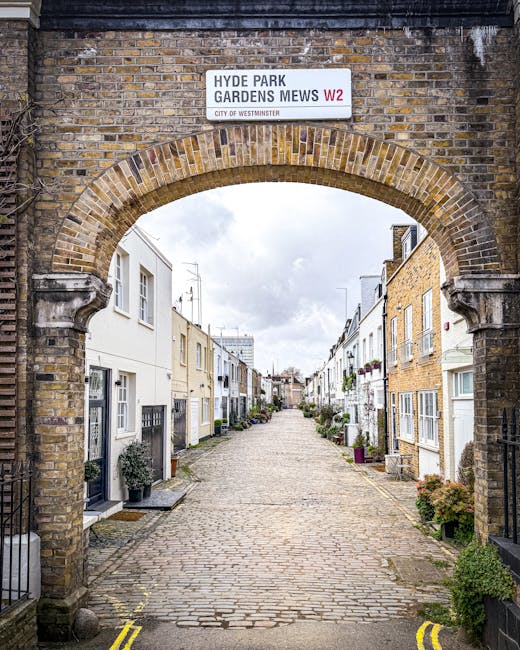
Moving house from N19 to N7 tips for Archway residents
Moving house from N19 to N7 can look simple on a map, but anyone who has done a proper Archway move knows there's more to it than a short journey north. You are still dealing with stairs, traffic timing, parking, awkward furniture, tired kids, missing keys, and that one box nobody can find when you need the kettle. This guide brings together practical, local, and very usable Moving house from N19 to N7 tips for Archway residents so you can plan the move with less stress and fewer surprises.
Whether you are moving from a flat near Archway Station, a terraced street off the High Road, or a smaller property that needs careful loading, the aim is the same: get everything out safely, get it to N7 without drama, and settle in quickly. A bit of planning goes a long way. To be fair, it usually saves more time than it takes.
Why Moving house from N19 to N7 tips for Archway residents Matters
Archway moves can feel straightforward because the distance between N19 and N7 is not huge, but short moves often create a false sense of ease. You may not need a long-haul removal schedule, yet you still have to deal with tight access, shared entrances, controlled parking, and the timing of a van arriving at exactly the wrong moment. That is where a local approach matters.
The benefit of planning specifically for an Archway-to-N7 move is that you can think about the practical reality rather than generic moving advice. Local streets can be busy, loading points can be limited, and a two-hour delay at the start can throw off the whole day. If you are using man and van removals or a larger team of house movers, the right prep helps the job run cleanly from the first box to the last chair leg.
It also matters because a move is never just a transport job. It is a change of address, routines, neighbours, schools, shops, and, let's face it, your patience. If you reduce friction in the move itself, everything after feels a bit easier. That extra breathing room is worth a lot on moving day.
How Moving house from N19 to N7 tips for Archway residents Works
In practical terms, the move starts long before the van turns up. You work backwards from the moving date and decide what needs to be packed, what needs disassembling, what should travel with you, and what needs a clear path out of the property. Then you match the plan to the access at both addresses. Simple idea, but it makes a huge difference.
For many local residents, the moving process tends to follow this pattern:
- Declutter and separate keep, donate, recycle, and bin items.
- Book the right moving support, whether that is a man with van arrangement or fuller removal services.
- Pack non-essentials early and label everything clearly.
- Confirm parking and access at both N19 and N7.
- Prepare fragile or bulky items for the journey.
- Load in an order that reflects where items will be needed first in the new home.
In a move like this, the van journey itself is usually the easy part. The real test is whether the property is ready for loading and whether the new place is ready to receive everything without chaos. A good mover can help, of course, especially if you choose a trusted removal company, but the homeowner still controls most of the moving-day outcomes.
If you want more structured support, it can be worth looking at home moves services or a full house removals solution, depending on how much furniture and packing you are dealing with. Not every move needs the same level of help.
Key Benefits and Practical Advantages
The strongest benefit of planning a local move well is control. You reduce the chance of missed time windows, damaged items, and those awkward last-minute scrambles where someone is still packing clothes while the driver is waiting downstairs. A little control can feel like magic on the day.
- Less wasted time: clear packing and access planning keeps the move moving.
- Lower risk of damage: fewer rushed lifts, fewer awkward corners, fewer scratches on walls and furniture.
- Better cost efficiency: the less time spent waiting or backtracking, the smoother the job tends to be.
- Less stress for everyone: including children, pets, neighbours, and the person trying to find the tea towels.
- Faster settling-in: well-labelled boxes and a sensible unloading plan help you feel at home sooner.
Another practical advantage is flexibility. A short N19 to N7 move often suits smaller crews, but that does not mean you should under-prepare. If you need help carrying heavier furniture, a man with a van service may be enough. If you have a fuller household move, a larger movers team can be the safer, calmer choice.
Expert summary: the best Archway moves are not the fastest ones; they are the ones where access, packing, parking, and timing all line up before the first item leaves the house.
Who This Is For and When It Makes Sense
This guide is especially useful if you are moving from a flat, maisonette, or family home in N19 to another property in N7 and want a move that stays organised rather than becoming a half-finished hallway puzzle. It is also relevant if you are moving on a fairly tight timetable and need to make decisions quickly.
It makes sense for:
- first-time buyers moving into their first N7 property;
- renters shifting from a flat share or studio in N19;
- families moving a few streets, but with a lot of belongings;
- older residents who want practical help with lifting and access;
- anyone moving bulky furniture, white goods, or fragile items;
- people who want a budget-conscious move without cutting corners.
If your move involves a business base, stock, or equipment rather than household items, then the planning is similar but the service type may not be. In that case, commercial moves or office removals may be more relevant.
Truth be told, many people only realise what they need once they start measuring door frames and stair turns. That is normal. You do not need every answer on day one, but you do need a rough plan before the boxes multiply.
Step-by-Step Guidance
1. Start with the access at both addresses
Before you pack even one mug, check where the van can stop, how far items must be carried, and whether either property has awkward stairs, narrow hallways, or tight corners. This is the sort of detail people skip, then regret. In our experience, one overlooked loading restriction can cause more delay than ten unlabelled boxes.
2. Sort your belongings by load priority
Keep a simple order: essentials, fragile items, bulky furniture, and low-priority items. Essentials should travel last into the van and first out at N7, because nobody enjoys hunting for a phone charger after dark with a cardboard box on their foot.
3. Decide what should travel with you
Documents, medication, keys, chargers, valuables, and a kettle if you are very British about these things, should usually stay with you. The moving van is for the larger, less urgent items. A good moving van arrangement works best when the items are categorised properly beforehand.
4. Pack room by room
Room-by-room packing is slower at the start, but far better at the other end. Mark each box with the room name and a short note such as "kitchen - pans" or "bedroom - winter clothes". That tiny bit of extra detail helps a lot when you arrive tired and the room looks like a cardboard maze.
5. Prepare furniture and appliances
Disassemble beds, remove table legs where possible, and tape loose screws into labelled bags. Defrost fridges and freezers early enough that they are dry on moving day. Also, measure doorways. It sounds obvious, but a sofa that "definitely fits" has a funny way of becoming a stairwell problem.
6. Confirm your moving support
If you are booking help, make sure the quote matches the real move. A smaller move might suit man with van removal support, while heavier or higher-volume households may be better served by a more complete team. If you are comparing options, it is sensible to check pricing and quotes early rather than guessing.
7. Keep the first-night box visible
This one gets overlooked all the time. Put bedding, toiletries, mugs, loo roll, a phone charger, basic snacks, and a change of clothes into a clearly marked first-night box. It's boring, but brilliant.
Expert Tips for Better Results
Small choices make a big difference on local moves. A few simple habits can keep the day smooth and stop problems before they start.
- Book early if your move date is fixed. End-of-month and weekend slots tend to fill quickly.
- Take photos of electronic setups. Cables look simple until they are all on the floor together.
- Use colour coding for boxes. A sticker system is quicker than long descriptions.
- Leave one clear walking route in each property. It speeds up loading and makes lifting safer.
- Keep valuables and sentimental items separate. Not everything should go in the van.
- Check whether you need packing help. If time is tight, packing and unpacking services can be a very sensible investment.
One more practical tip: do not overfill boxes. A box that looks tidy can still be awkwardly heavy, especially with books, crockery, or bottles in it. Better a few smaller boxes than one heroic box that nobody wants to lift. Your back will thank you later.
If the move is heavily furniture-led, you may want to look at removals rather than trying to manage every part of it yourself. Not every job needs a big operation, but some do benefit from proper muscle and order.
Common Mistakes to Avoid
Most moving headaches come from preventable mistakes. The good news is that once you know the common traps, you can side-step them pretty easily.
- Leaving packing too late: the final evening before a move is no time for a full wardrobe rethink.
- Ignoring access issues: stairwells, parked cars, and narrow front doors all matter.
- Not labelling boxes: "misc" is not a room. It never helps.
- Assuming the van size will be fine: if in doubt, talk it through in advance.
- Forgetting parking planning: a van without a sensible stopping point can slow the whole day.
- Mixing urgent and non-urgent items: this creates confusion right when you need clarity.
- Not checking terms and conditions: boring, yes, but still worth a quick read.
There is also a quieter mistake people make: they try to do too much themselves to save a bit of money, then end up tired, rushed, and needing more help anyway. Sometimes "efficient" really means choosing the right support first time.
Tools, Resources and Recommendations
You do not need a warehouse of specialist kit for a local move, but a few basic tools make the process calmer and safer.
- Strong boxes: same-size boxes stack better and are easier to carry.
- Packing tape and markers: simple, reliable, and strangely important.
- Bubble wrap or paper: useful for glasses, dishes, mirrors, and delicate ornaments.
- Furniture blankets: helpful for protecting wood, painted finishes, and sofa corners.
- Straps and trolleys: useful for loading heavier items more safely.
- Floor protection: especially smart if the weather is wet and boots are coming in and out all day.
For help choosing the right level of moving support, it can be useful to compare a few options: removals near me for convenience, a dedicated removal company for more structured handling, or a compact removal van for smaller loads. If you already know your move is furniture-heavy, a proper removal services package may feel less stressful overall.
If sustainability matters to you, it is worth thinking about reuse and disposal before the move. A responsible approach to unwanted items often means less waste and less clutter at the new place. The page on recycling and sustainability is a useful place to check how this can be handled sensibly.
Law, Compliance, Standards, or Best Practice
For most household moves from N19 to N7, the main legal and practical concerns are fairly familiar: safe lifting, secure loading, sensible parking, and respecting building rules. You do not need a legal textbook, but you do need common-sense compliance and a bit of care.
Best practice in the UK removals sector usually includes:
- protecting furniture and property during loading and unloading;
- using safe lifting techniques and enough people for heavy items;
- checking vehicle insurance and goods-in-transit cover where relevant;
- being honest about access, stairs, and parking constraints;
- following landlord, leasehold, or building management rules if they apply;
- handling customer information and payments securely.
If you want reassurance around safety and handling standards, it is sensible to review insurance and safety and the company's health and safety policy. Those pages help show the practical standards behind the move, not just the marketing.
Payment security and customer terms also matter, especially if you are paying a deposit or booking in advance. A careful read of payment and security and terms and conditions can prevent misunderstandings later. Not glamorous, but worthwhile.
Options, Methods, or Comparison Table
Not every Archway move needs the same setup. Here is a simple comparison to help you think clearly about the best fit.
| Option | Best for | Strengths | Watch-outs |
|---|---|---|---|
| DIY with hired van | Very small, simple moves | Low cost, flexible timing | You do all the lifting, loading, and risk management |
| man and van removals | One-bedroom flats, partial loads, or local furniture moves | Good balance of cost and help, ideal for short-distance moves | May not suit very large homes or complex access |
| Full house removals | Family homes, multi-room contents, or time-sensitive moves | More support, smoother handling, less stress | Usually more expensive than a smaller van-based job |
| Specialist packing support | Busy households, fragile items, short deadlines | Saves time and reduces packing errors | Useful, but needs to be booked early |
If your move is small but awkward, a removals van may be enough. If the job looks larger than first expected, stepping up to house removalists can be the better call. The right choice is usually the one that matches your actual load, not the one that sounds cheapest on paper.
Case Study or Real-World Example
Picture a typical Archway move. A couple are leaving a first-floor flat in N19 and moving into a small terrace in N7. The new place is only a short drive away, but the old flat has a narrow staircase and the new house has a slightly awkward front step. Nothing dramatic, just enough to make a careless move messy.
They start by packing non-essentials a week ahead. Books go into smaller boxes. Clothes are split by season. Kitchen glassware is wrapped carefully. A bedside box is prepared with chargers, a lamp, medication, and a couple of mugs. Sensible, really. They also measure the sofa and realise it will need to be tilted through the hallway, not carried flat. That little discovery saves a lot of stress on the day.
On moving morning, the van arrives once parking has been cleared. The heavier furniture is loaded first, then boxed items, then the essentials box last so it comes out first. At N7, the boxes go room by room rather than being stacked randomly in the hall. The couple are unpacking that evening, not three days later. It wasn't a perfect day - few moves are - but it was controlled, and that made all the difference.
That is really the aim with a local move. Not perfection. Just a smooth, dignified kind of organised chaos.
Practical Checklist
Use this checklist in the final week before your move. If you can tick most of it off, you are in decent shape.
- Confirm moving date and arrival time.
- Check access at both properties, including stairs and parking.
- Measure large furniture and doorways.
- Book support if needed, such as a moving truck or moving team.
- Pack room by room and label every box.
- Separate valuables, documents, and essentials.
- Defrost fridge and freezer if you are taking them.
- Prepare tools for dismantling and reassembly.
- Keep water, snacks, and phone chargers to hand.
- Have cleaning supplies ready for the old property.
- Take meter readings if relevant.
- Do one final walk-through before leaving N19.
Quick takeaway: the calmer your packing and access plan, the less the move will lean on luck. And luck, frankly, is not the best moving strategy.
Get a free quote today and see how much you can save.
Conclusion
Moving from N19 to N7 is the kind of local relocation that can go very well with the right planning. You do not need a dramatic overhaul, just a sensible approach to access, packing, timing, and the type of help you choose. If you get those basics right, the whole move becomes much more manageable.
Archway residents often juggle busy streets, tight turns, flats with stairs, and homes that are full of life rather than empty boxes. That is exactly why local knowledge, clear communication, and practical preparation matter so much. Whether you are moving a small flat or a full family home, the goal is the same: arrive in N7 with your things intact and your nerves mostly intact too.
And once the last box is in and the kettle is on, it usually feels better than you expected. A fresh start, same part of London, new front door. Not bad at all.
Frequently Asked Questions
How far is a move from N19 to N7?
It is a short local move, but the exact time depends on traffic, parking, and access at both properties. The distance may be modest, yet the moving day still needs planning.
Is a man and van service enough for an Archway move?
Often, yes, if the property is small or the load is light. A man with van service is usually a good fit for flats, partial loads, and short local jobs. For larger homes, you may need more support.
How early should I book my moving service?
If your date is fixed, book as early as you comfortably can. Weekends and month-end dates tend to be busier, and leaving it late reduces your options.
What should I pack separately for moving day?
Keep valuables, documents, medication, chargers, keys, and a first-night box separate. That box should contain the essentials you will need straight away, not items you can hunt for later.
Do I need packing help for a short-distance move?
Not always, but it can be useful if you are short on time, have fragile items, or simply want less stress. Packing and unpacking services can make the day more manageable.
What is the difference between house removals and a van-based move?
House removals usually involve a more complete service for larger or more complex moves. A van-based move is often better for smaller homes, fewer items, or shorter local journeys.
How can I make moving day easier in a flat with stairs?
Clear the route, protect the walls, pack lighter boxes, and be realistic about the number of hands needed. Stairs change everything, so it helps to plan around them rather than after the fact.
What if my furniture is too big for the hallway?
Measure it before moving day and, if possible, dismantle legs, headboards, or removable parts. If you are not sure, ask for guidance during the booking stage rather than hoping for the best.
Should I compare quotes before booking?
Yes. A clear comparison helps you understand what is included and what is not. Looking at pricing and quotes is a sensible step before you commit.
What happens if I need to move office items as well as household items?
It is best to treat that as a different kind of move and plan accordingly. You may need office relocation services or commercial moves depending on the items involved.
How do I avoid damaging walls and furniture?
Use proper packing materials, protect corners, keep walkways clear, and make sure heavier items are carried by enough people. Sloppy lifting is where most avoidable damage happens, not on the road.
Where can I find more about safety and trust before booking?
It is wise to review a provider's safety approach, insurance detail, and customer terms before going ahead. Pages like insurance and safety, health and safety policy, and about us can help build confidence in what you are booking.
Can I book help just for furniture?
Yes, in many cases that makes perfect sense. If you only need a few large items moved, furniture pick up can be the most practical option.
What should I do the night before the move?
Finish last-minute packing, charge devices, put out bedding and essentials, and get a decent sleep if you can. It sounds simple, but a calmer evening usually leads to a far better moving day.